Rosemary Lemon Spring Cake
Highlighted under: Easy Desserts | Simple Baking
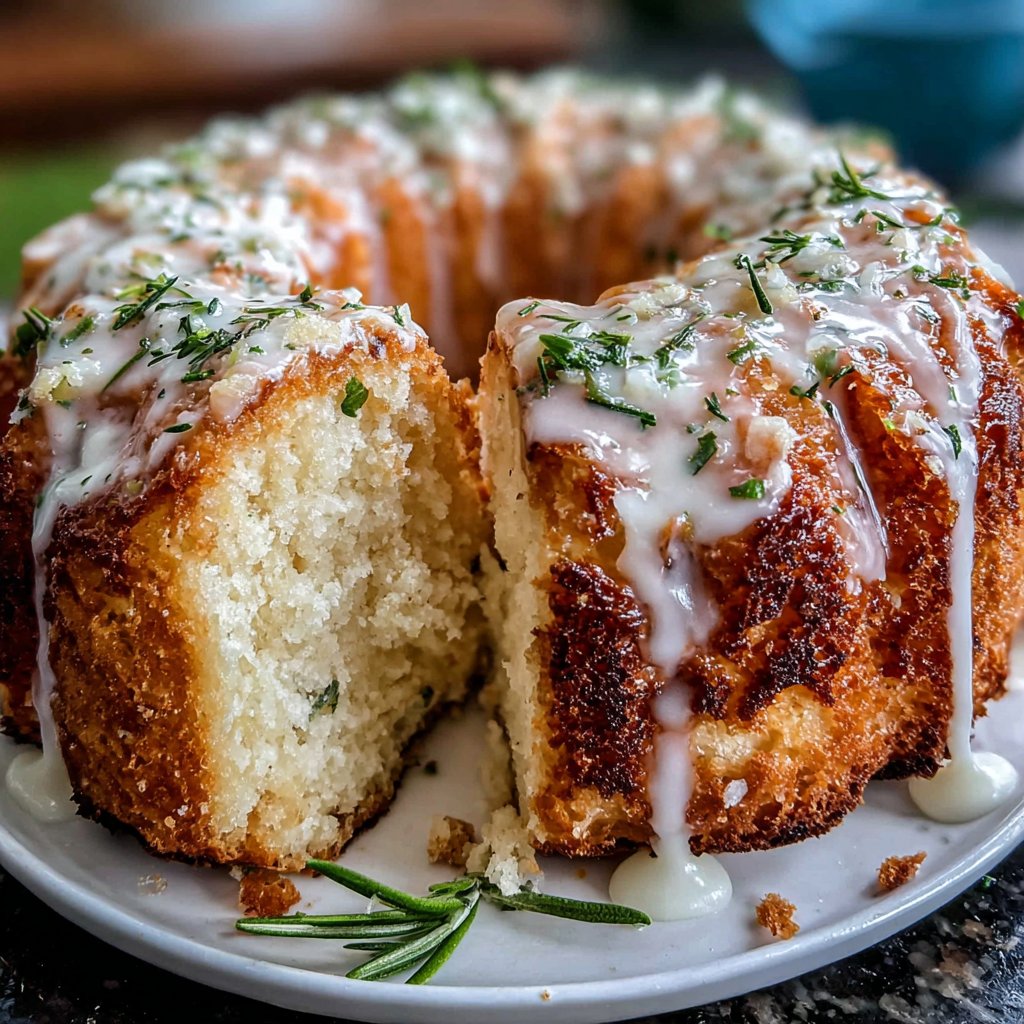
When I first combined rosemary and lemon, I was blown away by how beautifully the flavors balanced each other. I love how this Rosemary Lemon Spring Cake brings a burst of freshness, perfect for welcoming warmer weather. The aromatic rosemary infuses a unique depth while the lemon adds a zesty brightness. Each slice feels like spring on a plate, and I can't resist serving it at gatherings or simply enjoying a piece with afternoon tea. This recipe is an elegant treat that’s surprisingly easy to make.
As I was experimenting with different flavor combinations, I stumbled upon the delightful pairing of rosemary and lemon. This cake became a favorite not only because of its unique flavor profile but also due to its inviting aroma while baking. Every time I make it, I can't help but feel that spring is in the air, even on the grayest of days. The result is a moist, fragrant cake that cuts beautifully.
A tip I learned along the way is to infuse the milk with fresh rosemary overnight. This adds an extra layer of flavor, making the cake truly stand out. Trust me, the effort is worth it; each bite is a testament to this lovely herb's versatility in desserts!
Why You'll Love This Cake
- The unexpected yet harmonious blend of rosemary and lemon.
- A moist texture that combines a soft crumb with a slightly crunchy top.
- Perfect for spring gatherings or as an everyday indulgence.
The Role of Rosemary and Lemon
Rosemary and lemon form a remarkable duo in this cake, elevating the flavor profile to a unique level. The fresh rosemary provides an earthy, aromatic quality that complements the bright and zesty notes of lemon, creating a well-rounded taste experience. When chopping rosemary, be sure to use fresh herbs for optimal flavor, as dried rosemary can overwhelm the dish with bitterness. The fine chop helps release the essential oils, infusing the cake with its signature scent and taste while ensuring an even distribution throughout.
The key to unlocking the full potential of the lemon is using both the zest and juice. Zest contains flavorful essential oils that add a fragrant aroma and brightness, while the juice contributes acidity that balances the cake's sweetness. This combination not only heightens flavor but also plays a role in the cake's chemistry, helping it rise and maintain moisture. Be generous when zesting, as the aromatic quality is essential to the cake's character.
Perfecting Your Technique
Achieving a beautifully moist cake requires attention to the creaming method. When beating the softened butter and sugar, look for a light and fluffy consistency, which typically takes about 3-5 minutes. This process incorporates air into the batter, ensuring a tender crumb. If you find your mixture is too heavy, it may be that the butter wasn’t soft enough, which is critical to achieving the right texture. Soften it by leaving it at room temperature for at least 30 minutes before mixing.
Alternating between dry ingredients and wet ingredients during mixing is crucial for a balanced batter. Start with a third of the dry mix, followed by half of the milk and lemon juice, and repeat. This method prevents the batter from becoming overly dense while ensuring everything is well-combined. Overmixing, particularly after adding flour, can lead to a tough cake. A few gentle folds are all that's needed once you add the dry ingredients.
Serving and Storage Suggestions
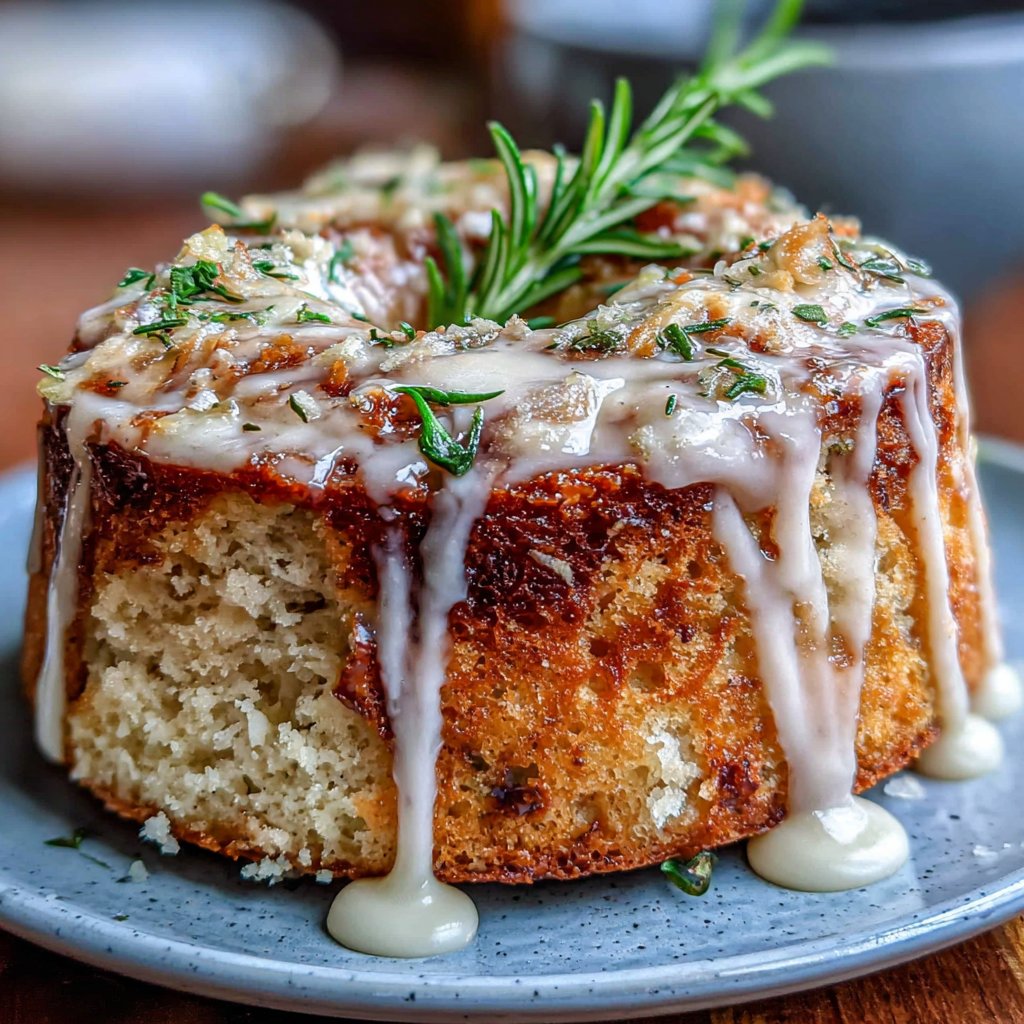
This cake shines when served with a light dusting of powdered sugar or accompanied by fresh berries or a dollop of whipped cream, enhancing its springtime essence. For an extra touch, consider adding a sprig of rosemary or a thin slice of lemon on top of the glaze for visual appeal. It’s an excellent centerpiece for any spring gathering or afternoon tea, showcasing a fresh take on classic flavors.
If you find yourself with leftovers, storing the cake properly will maintain its moistness. Wrap the cooled cake in plastic wrap and place it in an airtight container at room temperature for up to three days or refrigerate for a week. For longer storage, you can freeze slices wrapped individually in foil and placed in a freezer bag for up to two months. Thaw at room temperature before enjoying, as this can help preserve the cake’s texture.
Ingredients
Ingredients
Cake Ingredients
- 2 cups all-purpose flour
- 1 1/2 cups granulated sugar
- 1/2 cup unsalted butter, softened
- 1 cup milk
- 3 large eggs
- 2 tablespoons fresh rosemary, finely chopped
- Zest of 2 lemons
- 1 tablespoon baking powder
- 1/2 teaspoon salt
- Juice of 1 lemon
Lemon Glaze
- 1 cup powdered sugar
- 2 tablespoons lemon juice
- 1 teaspoon fresh rosemary, finely chopped
Instructions
Instructions
Preheat and Prepare
Preheat your oven to 350°F (175°C). Grease and flour a 9-inch round cake pan.
Mix Dry Ingredients
In a bowl, whisk together the flour, baking powder, and salt. Set aside.
Cream Butter and Sugar
In a large mixing bowl, beat the softened butter and granulated sugar until light and fluffy.
Add Eggs and Flavorings
Add the eggs one at a time, mixing well after each addition. Then stir in the lemon zest and fresh rosemary.
Combine Mixtures
Gradually add the dry ingredients to the butter mixture, alternating with the milk and lemon juice. Mix until just combined.
Bake the Cake
Pour the batter into the prepared cake pan and bake for 30-35 minutes or until a toothpick inserted in the center comes out clean.
Prepare the Glaze
While the cake cools, mix the powdered sugar, lemon juice, and chopped rosemary in a bowl until smooth.
Glaze and Serve
Once the cake is completely cool, drizzle the glaze over the top and let it set before slicing and serving.
Pro Tips
- Infuse the milk with rosemary overnight to intensify the flavor.
Possible Variations and Customizations
This cake is very versatile. You can swap out the rosemary for other herbs like thyme or mint for a different flavor profile. Each herb offers its unique aromatic touch, reshaping the cake’s overall character while maintaining the lemon’s brightness. If you're craving something sweeter, consider mixing in strawberries or blueberries, which will pair beautifully with the citrus and herby tones.
For those looking to make this recipe gluten-free, substitute the all-purpose flour with a 1:1 gluten-free baking flour. Since gluten plays a crucial role in the structure of baked goods, it’s essential to use one designed for baking to mimic the properties of wheat flour. Also, keep an eye on the baking time, as gluten-free cakes may require slight adjustments.
Troubleshooting Common Issues
If your cake domes in the center, this might be due to the oven temperature being too high. Ensure your oven is correctly calibrated, as this can prevent over-baking around the edges while undercooking the center. A thermometer can be incredibly handy here. If you notice your cake sinking in the middle after baking, it’s likely that it was undercooked or the batter was overmixed, causing its structure to collapse.
A dry cake can be disheartening, but often it results from overbaking or not enough moisture in the batter. To prevent this, keep an eye on the cake in the final minutes of baking and perform the toothpick test—remove it when a few moist crumbs cling to it. Remember that the cake will continue to cook while cooling in the pan, so it’s better to err on the side of caution.
Questions About Recipes
→ Can I use dried rosemary instead of fresh?
Yes, but use less since dried rosemary is more concentrated. About 1 teaspoon should suffice.
→ How do I store leftovers?
Store the cake in an airtight container at room temperature for up to 3 days or in the fridge for a week.
→ Can I freeze this cake?
Absolutely! It freezes well for up to 3 months. Just wrap it tightly in plastic wrap and aluminum foil.
→ What can I serve with this cake?
Pair it with a dollop of whipped cream or a scoop of vanilla ice cream for extra indulgence.
Rosemary Lemon Spring Cake
Created by: The Chefmarcocooks Team
Recipe Type: Easy Desserts | Simple Baking
Skill Level: Intermediate
Final Quantity: 8 servings
What You'll Need
Cake Ingredients
- 2 cups all-purpose flour
- 1 1/2 cups granulated sugar
- 1/2 cup unsalted butter, softened
- 1 cup milk
- 3 large eggs
- 2 tablespoons fresh rosemary, finely chopped
- Zest of 2 lemons
- 1 tablespoon baking powder
- 1/2 teaspoon salt
- Juice of 1 lemon
Lemon Glaze
- 1 cup powdered sugar
- 2 tablespoons lemon juice
- 1 teaspoon fresh rosemary, finely chopped
How-To Steps
Preheat your oven to 350°F (175°C). Grease and flour a 9-inch round cake pan.
In a bowl, whisk together the flour, baking powder, and salt. Set aside.
In a large mixing bowl, beat the softened butter and granulated sugar until light and fluffy.
Add the eggs one at a time, mixing well after each addition. Then stir in the lemon zest and fresh rosemary.
Gradually add the dry ingredients to the butter mixture, alternating with the milk and lemon juice. Mix until just combined.
Pour the batter into the prepared cake pan and bake for 30-35 minutes or until a toothpick inserted in the center comes out clean.
While the cake cools, mix the powdered sugar, lemon juice, and chopped rosemary in a bowl until smooth.
Once the cake is completely cool, drizzle the glaze over the top and let it set before slicing and serving.
Extra Tips
- Infuse the milk with rosemary overnight to intensify the flavor.
Nutritional Breakdown (Per Serving)
- Calories: 320 kcal
- Total Fat: 14g
- Saturated Fat: 8g
- Cholesterol: 70mg
- Sodium: 150mg
- Total Carbohydrates: 45g
- Dietary Fiber: 1g
- Sugars: 30g
- Protein: 4g