Dandelion Leaves with Garlic
Highlighted under: World Cuisine | Global Cooking
I love incorporating wild greens into my meals, and dandelion leaves are one of my favorites! They have a unique, slightly bitter flavor that pairs beautifully with garlic. This dish is not only delicious but also packed with nutrients. Whether I'm looking for a quick side dish or a topping for my favorite grain, this recipe never disappoints. I've found that sautéing them just right brings out their natural sweetness while balancing the bitterness. Join me in exploring this simple yet flavorful way to enjoy dandelion leaves.
When I first tried dandelion leaves, I was surprised by their bold and distinct flavors. I discovered that they possess wonderful nutrients and can add a delightful twist to regular meals. In this recipe, the combination of garlic with the leaves creates a savory dish that complements salads or grains perfectly.
One of my favorite tips is to sauté the leaves quickly over high heat; this technique preserves their nutrients while softening their texture just enough. The key is to not overcook them, which can make them too bitter. Enjoying this recipe reminds me of the beauty of foraging and connecting with nature!
Why You'll Love This Recipe
- Unique flavor profile that enhances any meal
- Quick and easy preparation for busy weeknights
- Packed with nutrients, bringing health benefits to your table
Understanding Dandelion Leaves
Dandelion leaves have a distinct profile that many may find intriguing. Their bitterness comes from compounds called sesquiterpene lactones, which are also linked to various health benefits, including anti-inflammatory properties. This bitterness can be a beautiful contrast when balanced with the sweetness of sautéed garlic. When choosing dandelion leaves, opt for the younger, tender leaves in early spring for a milder flavor, as older leaves tend to be more bitter and tougher.
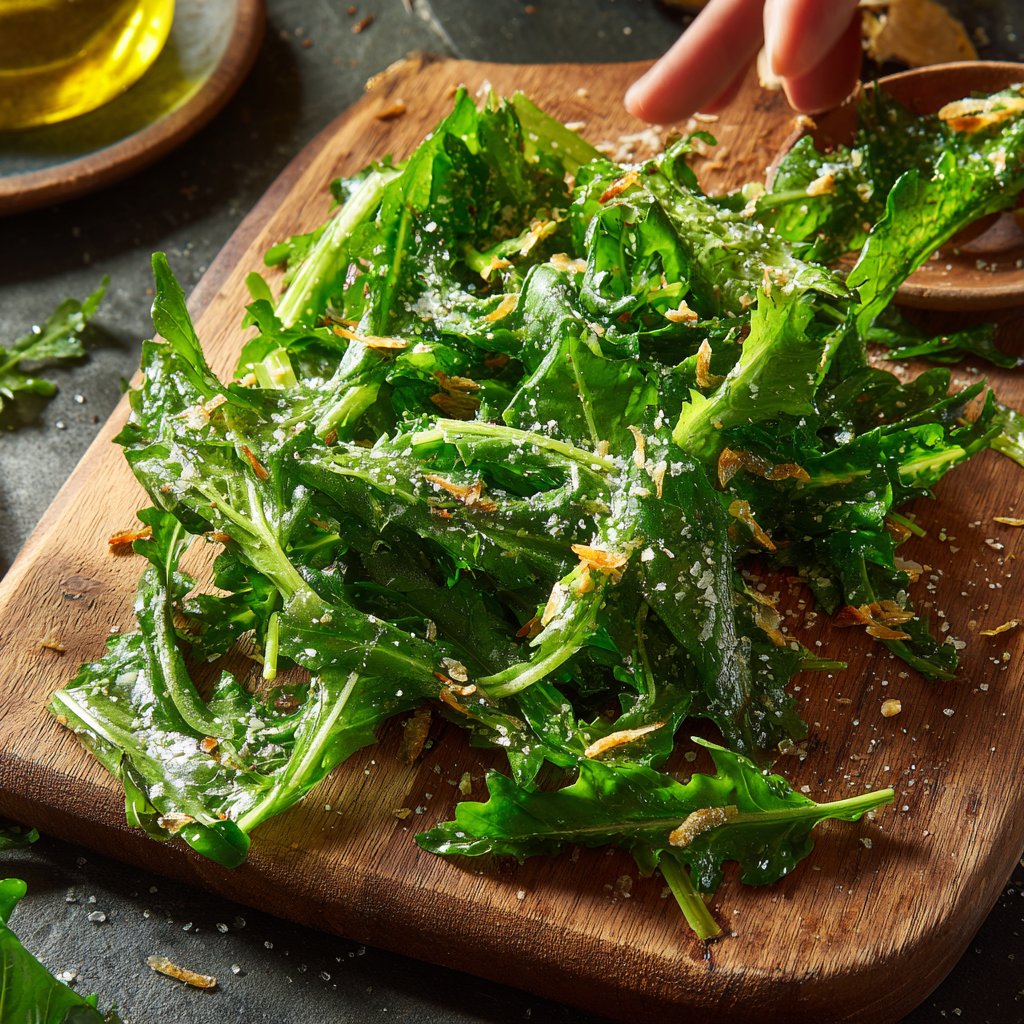
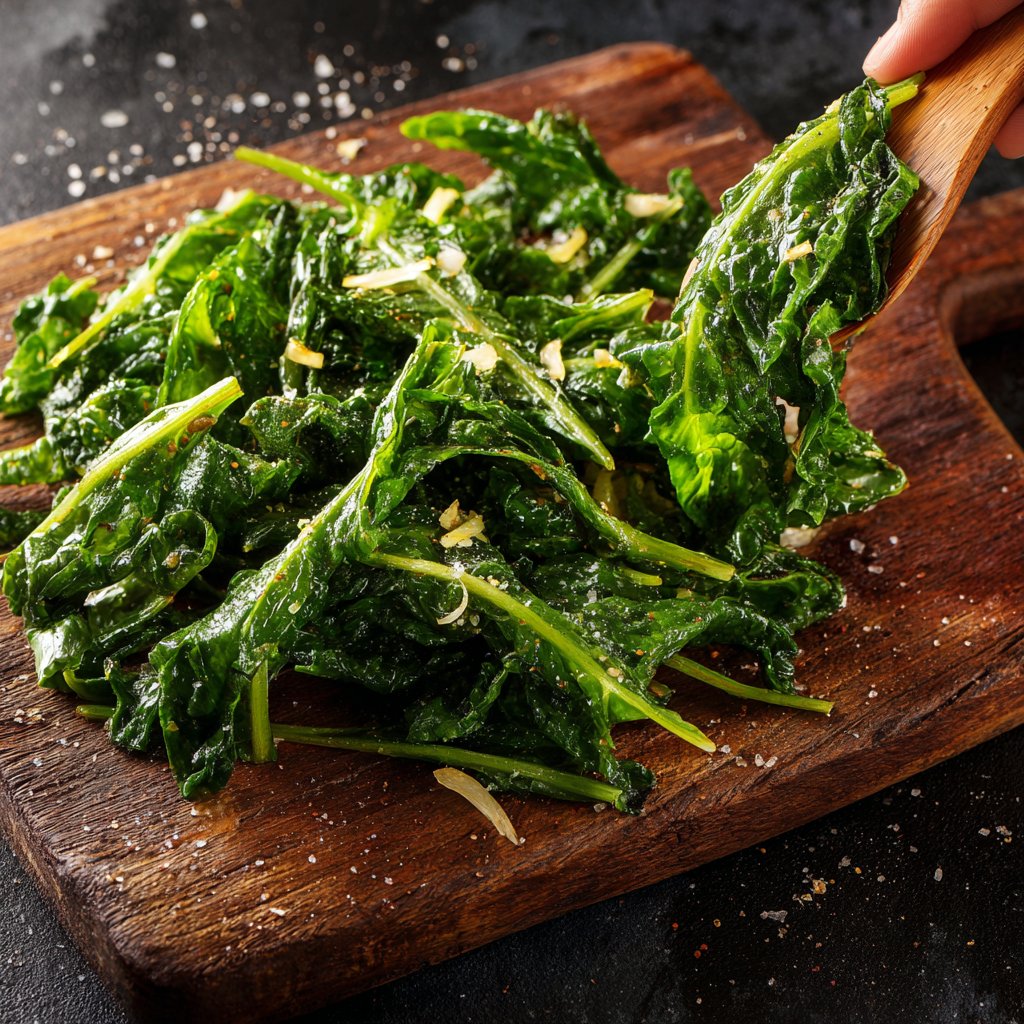
In terms of texture, well-cooked dandelion leaves should retain some bite while being tender enough to meld into a dish. Exactly how long you sauté them is crucial; cook for only 2-3 minutes to prevent them from turning mushy. The vibrant green color will fade slightly but should still look fresh, indicating they’re ready to serve.
Techniques for Perfect Garlic
The foundation of this dish lies in how you prepare the garlic. Start with medium heat when you add the minced garlic to the olive oil. This ensures that it cooks evenly without burning—a quick browning can lead to a bitter flavor. Keep an eye on the garlic, and stir continuously; you’re aiming for a fragrant, golden hue rather than a dark brown, which signals overcooking.
If you find your garlic browning too quickly, lower the heat and give it more time to become fragrant. Remember that it can go from perfectly cooked to burnt in seconds. If you’re sensitive to garlic’s strong flavor, consider reducing the garlic to just two cloves or even slicing them instead of mincing for a milder presence.
Serving and Pairing Suggestions
This dish is a versatile addition to your meal lineup. Beyond serving it as a side, consider incorporating these sautéed dandelion leaves as a topping for grilled meats or fish, which can enhance their flavors. You might also mix them into scrambled eggs or an omelet for breakfast, or toss them with a grain bowl, where their bitterness can provide contrast to sweeter or earthy ingredients like beets or roasted squash.
If you want to make it a heartier dish, try adding cooked quinoa, farro, or rice. This will not only balance the bitterness but also add substance. For those who enjoy a bit of spice, a pinch of red pepper flakes can elevate the dish, making it even more exciting.
Ingredients
Main Ingredients
- 2 cups fresh dandelion leaves, washed and chopped
- 2 tablespoons olive oil
- 3 cloves garlic, minced
- Salt and pepper to taste
- A squeeze of lemon juice (optional)
Steps
Prepare the Garlic
In a skillet, heat the olive oil over medium heat. Add the minced garlic and sauté for about 30 seconds until fragrant, being careful not to burn it.
Sauté the Dandelion Leaves
Add the chopped dandelion leaves to the skillet and stir well to coat them with the garlic oil. Cook for 2-3 minutes until the leaves are wilted but still vibrant green.
Season and Serve
Season with salt and pepper to taste. If desired, add a squeeze of fresh lemon juice to brighten the flavors. Serve warm as a delightful side dish.
Pro Tips
- For a milder flavor, you can blanch the dandelion leaves in boiling water for a minute before sautéing them. This reduces their bitterness while retaining their nutrients.
Storage and Make-Ahead Tips
Sautéed dandelion leaves are best enjoyed immediately, but if you need to prepare them in advance, you can sauté the leaves and store them in an airtight container in the fridge for up to 3 days. When reheating, do it gently over low heat to preserve their texture and flavor. Adding a splash of water or a drizzle of olive oil can help them regain their moisture while warming.
If you plan on scaling this recipe for a larger gathering, increase the ingredients proportionally but be mindful of your skillet size. You may need to sauté in batches to achieve an even cook; overcrowding the pan will lead to steaming rather than sautéing, which can affect both flavor and texture.
Variations and Substitutions
While this recipe is delightful as is, there are plenty of variations you can try. For a different flavor profile, consider adding a splash of balsamic vinegar instead of lemon juice for a richer taste. You could also enhance the dish with toasted nuts or seeds, like pine nuts or sunflower seeds, to add a satisfying crunch that contrasts with the soft greens.
If dandelion leaves are hard to find, other greens like spinach or Swiss chard can be substituted, but adjust the cooking time accordingly. Spinach wilts much faster, so add it to the skillet after the garlic turns fragrant to avoid overcooking.
Questions About Recipes
→ Can I eat dandelion leaves raw?
Yes, young dandelion leaves can be eaten raw in salads, but older leaves can be quite bitter.
→ What nutrients are in dandelion leaves?
Dandelion leaves are rich in vitamins A, C, K and contain minerals like iron and calcium.
→ How do I know if dandelion leaves are safe to eat?
Make sure to harvest dandelion leaves from areas free of pesticides and pollutants. Organic sources are best!
→ Can I substitute dandelion leaves with other greens?
Yes, you can substitute with Swiss chard, kale, or spinach for a similar texture, though the flavor will differ.
Dandelion Leaves with Garlic
Created by: The Chefmarcocooks Team
Recipe Type: World Cuisine | Global Cooking
Skill Level: Easy
Final Quantity: 2 servings
What You'll Need
Main Ingredients
- 2 cups fresh dandelion leaves, washed and chopped
- 2 tablespoons olive oil
- 3 cloves garlic, minced
- Salt and pepper to taste
- A squeeze of lemon juice (optional)
How-To Steps
In a skillet, heat the olive oil over medium heat. Add the minced garlic and sauté for about 30 seconds until fragrant, being careful not to burn it.
Add the chopped dandelion leaves to the skillet and stir well to coat them with the garlic oil. Cook for 2-3 minutes until the leaves are wilted but still vibrant green.
Season with salt and pepper to taste. If desired, add a squeeze of fresh lemon juice to brighten the flavors. Serve warm as a delightful side dish.
Extra Tips
- For a milder flavor, you can blanch the dandelion leaves in boiling water for a minute before sautéing them. This reduces their bitterness while retaining their nutrients.
Nutritional Breakdown (Per Serving)
- Calories: 90 kcal
- Total Fat: 7g
- Saturated Fat: 1g
- Cholesterol: 0mg
- Sodium: 60mg
- Total Carbohydrates: 7g
- Dietary Fiber: 2g
- Sugars: 1g
- Protein: 1g